
What is Periodontitis?
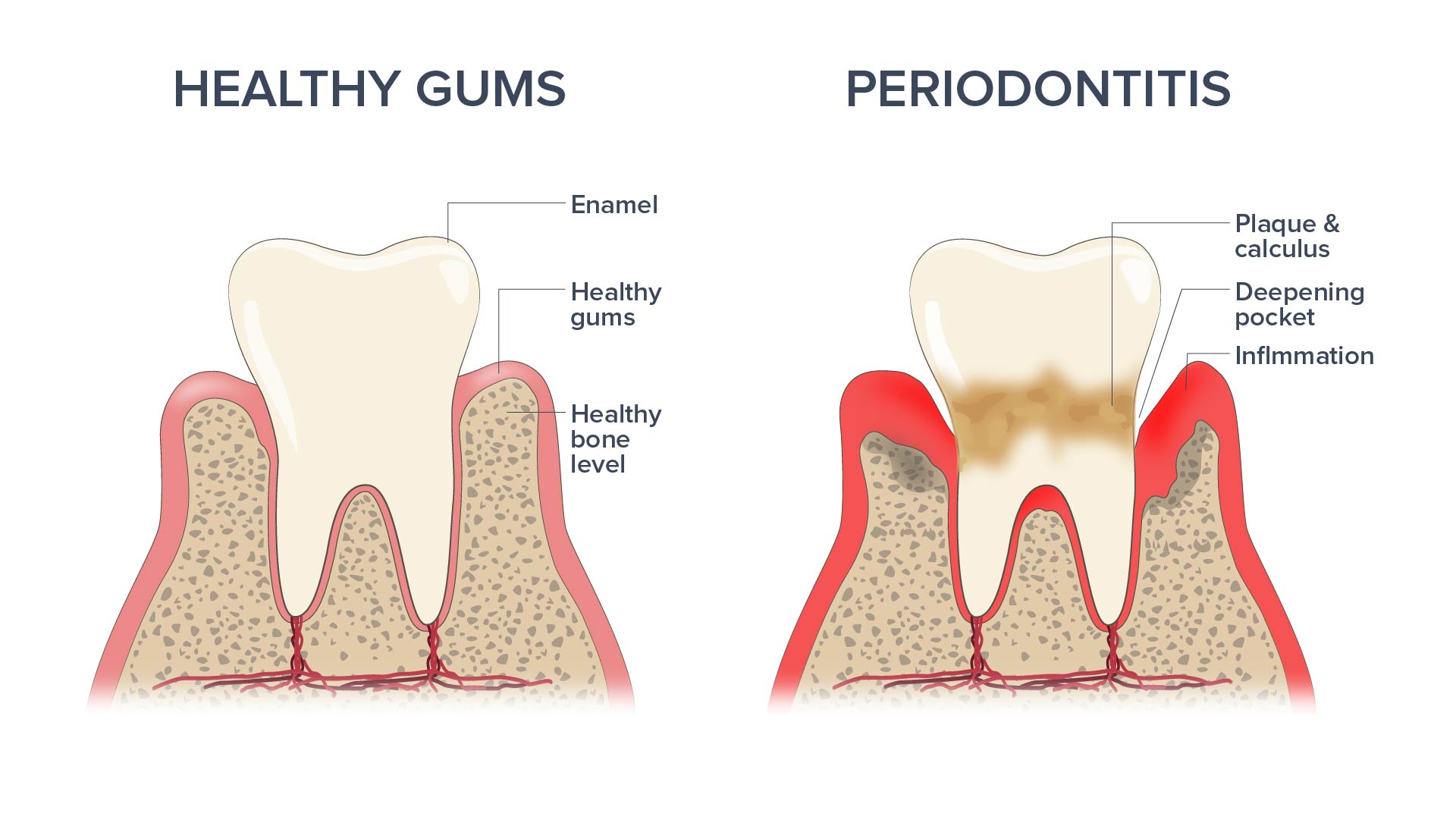
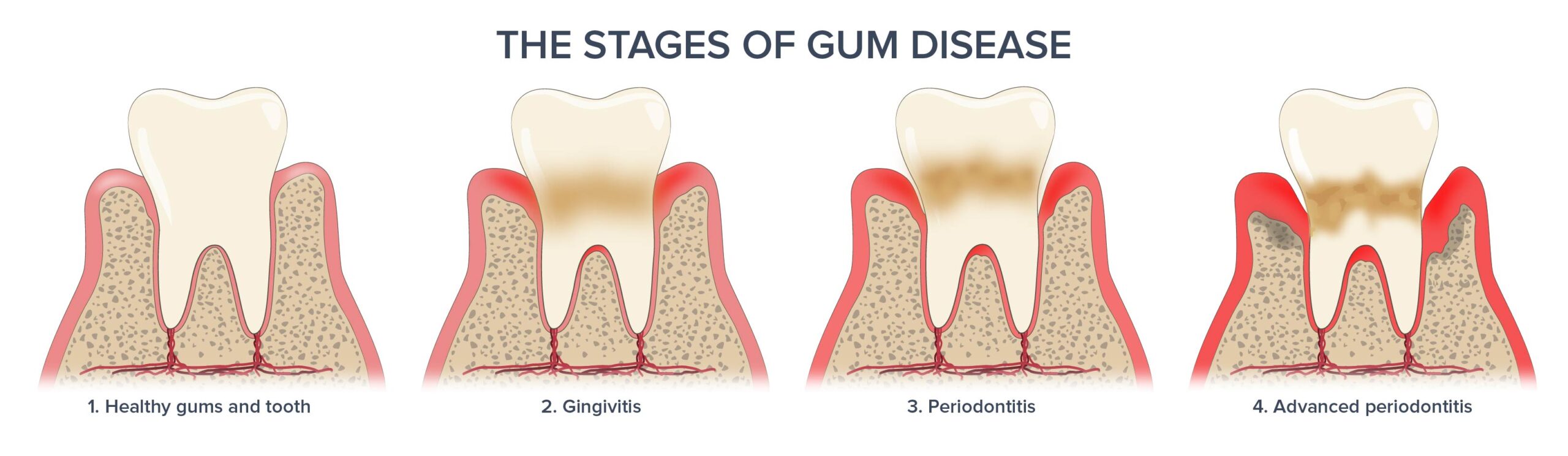
Periodontitis is a type of periodontal disease, where chronic inflammation causes the gums to swell and bleed, weakening the ligaments that anchor your tooth in the jaw, and ultimately leads to tooth loss. The World Health Organisation estimates one billion people globally suffer from severe periodontal disease. The inflammation is caused by a toxin that is secreted by a bacterium called Porphyromonas gingivalis.
What is Porphyromonas gingivalis (Pg)?
Porphyromonas gingivalis is a bacterium that is commonly found in the mouth and is known to cause severe periodontitis. Healthcare professionals also call it Pg.
Pg colonises the tooth pocket below the gumline and releases toxins called gingipains that trick the immune system, leading to persistent inflammation and damage to the tissue supporting the tooth. Gingipains have also been shown travel throughout the body, where they contribute to development of other chronic diseases.
What role does Pg play in severe periodontitis?
Pg plays a key role in severe periodontitis, in development of deep pockets. By continuously releasing gingipain toxins into the pocket, it maintains inflammation, leading to progressive tissue damage and bleeding. The blood acts as a food source for Pg, providing the perfect environment for the bacterium to grow and multiply.
In healthy people, bacteria are readily cleared by the immune system, however, Pg uses the gingipain toxins to interfere with the local immune response, allowing Pg to grow.
Left untreated, Pg destroys the tooth ligaments and the bone supporting the tooth, eventually leading to tooth loss.
What are the current treatments for periodontal disease?
There is no cure for advanced periodontitis and current treatments only address the symptoms. Treatment requires a visit to a periodontist to physically scrapes the bacteria off the tooth root below the gumline. This procedure is called scaling and root planning (SRP), is painful, expensive and the results vary between people. In some circumstances, antibiotics and laser therapy are used to provide additional benefit. Patients typically need to receive multiple treatments per year to keep their disease under control – but despite that, the disease often keeps progressing.
These organisations can provide you with more information about Periodontal Disease.


Centre for Disease Control & Prevention
The national public health agency of the United States.

Read more about Denteric therapies and their potential to improve how periodontitis is treated and reduce the number of people who have severe disease.